 Fabricant d'équipement de piste de bowling |Quilles aux canards,Mini-Quilles,Quilles clé en main | Soleil rouge
How to Start a Bowling Alley Business 2026 Complete Guide
How to Start a Bowling Alley Business 2026 Complete Guide
Want to open a profitable bowling alley business in 2026? This complete guide covers startup costs, business planning, permits, venue setup, Red Sun String bowling equipment, marketing and profit‑boosting tips for new operators.
Opening a bowling alley remains one of the most resilient opportunities in the family entertainment industry in 2026. Modern bowling venues are no longer only for league players; successful operators combine lane play, food‑and‑beverage, birthday parties, corporate team‑building and arcade attractions to build stable multi‑stream revenue.
However, launching a bowling center requires careful planning: big capital investment, real‑estate decisions, permit compliance, equipment selection and ongoing operational management. Many new owners make costly mistakes by underestimating maintenance complexity or picking complicated pinsetter hardware.
In this step‑by‑step complete guide, we walk you through every phase: concept design, market research, budgeting, licensing, venue build‑out, choosing reliable bowling hardware including Red Sun String-Pin type bowling systems, staffing, grand opening and long‑term profitability strategies.
Table des matières
- Is a Bowling Alley Business Right for You in 2026?
- Step 1: Define Your Bowling Alley Business Concept
- Step 2: Conduct Local Market Research
- Step 3: Write a Detailed Bowling Alley Business Plan
- Step 4: Calculate Realistic 2026 Startup & Operating Costs
- Step 5: Secure Location, Zoning, Licenses and Permits
- Step 6: Venue Build‑Out & Bowling Equipment Selection (Red Sun String Included)
- Step 7: Hire, Train and Build Your Operations Team
- Step 8: Pre‑Launch Marketing & Grand Opening Strategy
- Step 9: Maximize Revenue & Run Profitable Day‑to‑Day Operations
- Common Pitfalls New Bowling Alley Owners Must Avoid
- FAQ for Aspiring Bowling Alley Entrepreneurs
1. Is a Bowling Alley Business Right for You in 2026?
Bowling appeals to broad demographics: families, teenagers, young adults, corporate groups and competitive league bowlers. Post‑pandemic, the industry has shifted heavily toward the “eatertainment” model — food, drinks and events now drive more than half of total revenue for high‑performing centers.
Pros:
- Recurring income: league programs, repeat family guests, regular birthday and corporate bookings
- Multiple revenue streams beyond lane rental: F&B, party packages, arcade, merchandise
- Strong local community stickiness; difficult for pure online businesses to compete with in‑person fun
Challenges:
- High upfront capital; real‑estate and construction are major expenses
- Traditional free‑fall pinsetters carry high ongoing maintenance and technician costs
- Seasonal swings: peak on weekends, school holidays; slower weekday daytime traffic
- Liquor, health and safety permits can take many months to finalize
Pour 2026 new builds, many first‑time operators favour string‑pin bowling technology to cut long‑term running expenses, such as the proven Red Sun String bowling system.
2. Step 1: Define Your Bowling Alley Business Concept
Your concept shapes location size, equipment choice, budget, target customers and marketing. There are four mainstream formats in 2026:
1. Traditional Sport‑Focused Bowling Center
12‑24 lanes, target league bowlers, competitive tournaments, basic snack bar. Requires high‑performance lane surfaces and scoring systems.
12‑24 lanes, target league bowlers, competitive tournaments, basic snack bar. Requires high‑performance lane surfaces and scoring systems.
2. Full‑Scale Family Entertainment Center (FEC)
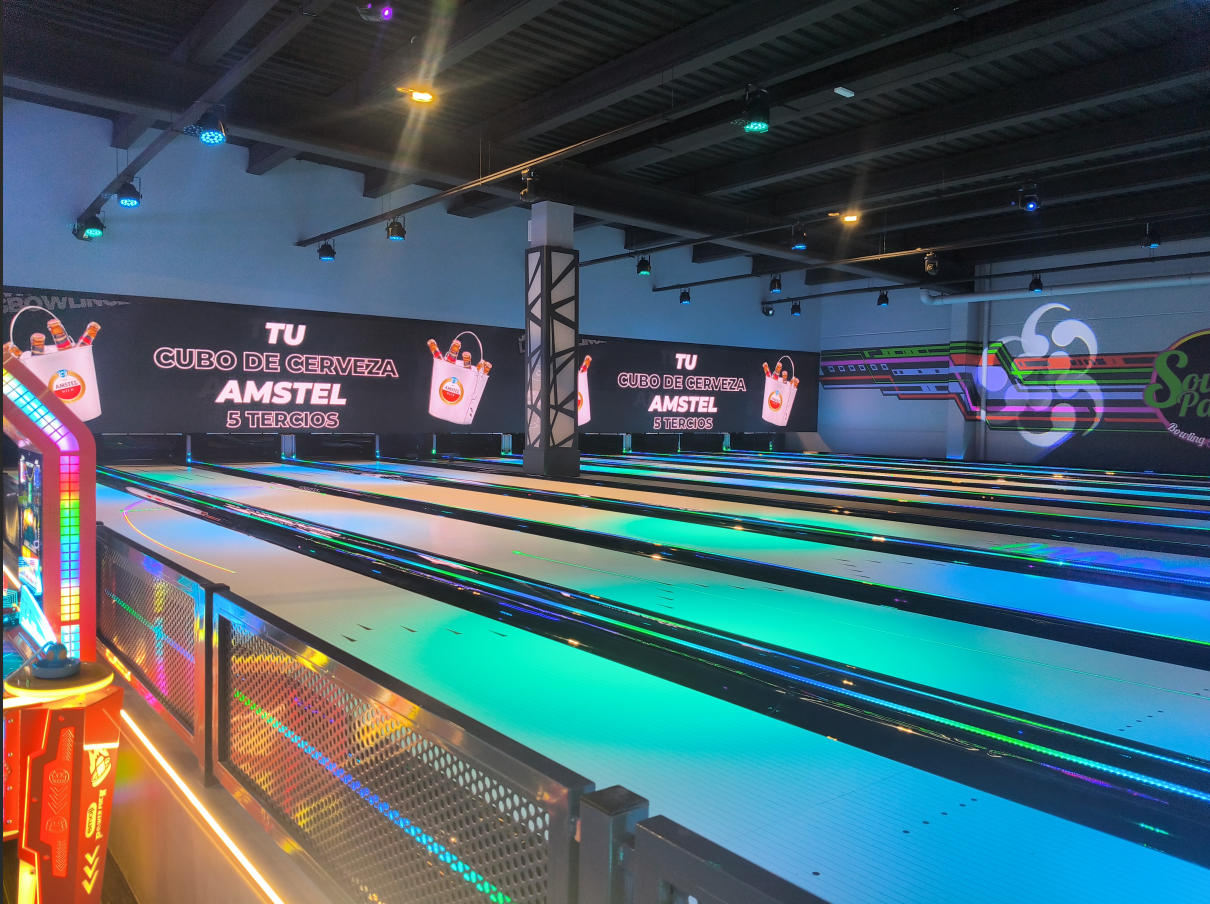
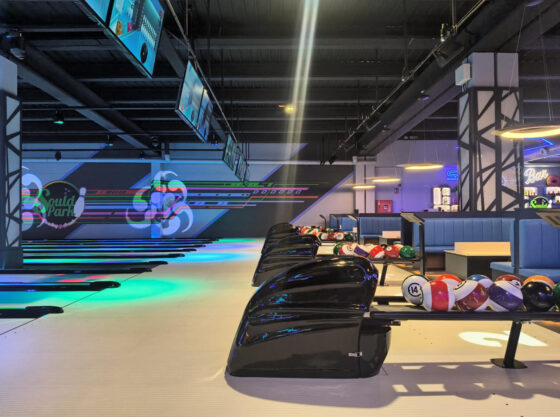
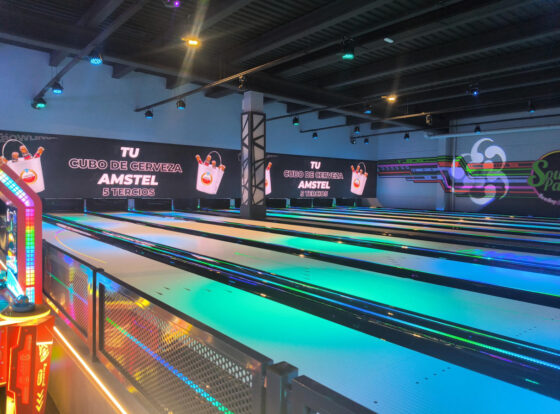
Most popular modern model. Mix bowling lanes, full kitchen/bar, glow cosmic bowling, arcade redemption games, private party rooms. Target families, youth groups and weekend crowds.
Most popular modern model. Mix bowling lanes, full kitchen/bar, glow cosmic bowling, arcade redemption games, private party rooms. Target families, youth groups and weekend crowds.
3. Boutique Social Bowling Lounge
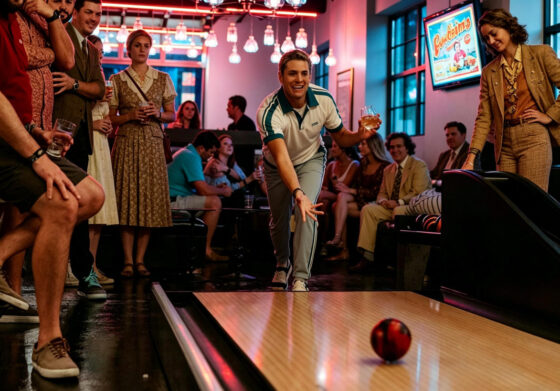
6‑12 lanes, empreinte réduite, upscale decor, premium food and craft drinks. Ideal for city‑centre retail spaces, young adults and corporate events.
6‑12 lanes, empreinte réduite, upscale decor, premium food and craft drinks. Ideal for city‑centre retail spaces, young adults and corporate events.
4. Compact Add‑on Bowling
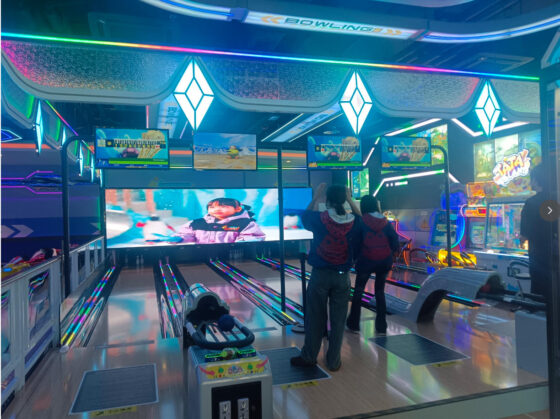
2‑6 lanes Quilles aux canards inside bars, hotels, resorts or shopping‑mall entertainment zones. Perfect for venues adding bowling as secondary attraction. Compact string‑pin systems like Red Sun String work exceptionally well for this format.
2‑6 lanes Quilles aux canards inside bars, hotels, resorts or shopping‑mall entertainment zones. Perfect for venues adding bowling as secondary attraction. Compact string‑pin systems like Red Sun String work exceptionally well for this format.
3. Step 2: Conduct Local Market Research
Before signing any lease or purchasing equipment, validate local market demand:
- Analyse local demographics: population density, number of families with kids, local businesses for corporate bookings.
- Visit competing bowling alleys at peak and off‑peak hours. Check pricing, busy times, customer reviews, event offerings.
- Identify gaps in your area: Are there not enough birthday party venues? No modern boutique bowling for young professionals? Few spaces for corporate team building?
- Check indirect competitors: trampoline parks, escape rooms, cinemas, other entertainment venues competing for the same leisure spending.
Good market research prevents you from building a venue the local community does not need.
4. Step 3: Write a Detailed Bowling Alley Business Plan
Your business plan is your roadmap and required for bank loans or investor funding. Include these core sections:
- Executive summary: your concept, mission and target market
- Market analysis: your local research findings, competitor overview
- Services & revenue streams: lane rental, F&B, party packages, leagues, arcade sales
- Marketing and sales strategy: how you will attract first‑time and repeat guests
- Operations plan: opening hours, staffing plan, equipment maintenance workflow
- Financial projections (3‑5‑year forecast): startup capital, monthly operating costs, break‑even analysis, conservative and optimistic revenue scenarios
- Risk assessment: equipment downtime risk, slow seasons, permit delays, competition threats
Use industry benchmark numbers. Median performance shows roughly $73,000 total revenue per lane annually for established centres; do not rely only on best‑case top‑quartile results for your base model.
5. Step 4: Calculate Realistic 2026 Startup & Operating Costs
Total investment varies dramatically by venue size, building condition and equipment selection. The table below outlines typical startup cost ranges for the most common bowling alley formats in 2026:
| Venue Type | No. of Lanes | Total Startup Cost Range | Core Cost Drivers |
| Boutique Social Lounge | 2 voies | USD 110,000 – USD 350,000 | Upscale interior design, full bar, string-pin or hybrid equipment |
| Compact Add-on Venue | 2–4 lanes | USD 500,000 – USD 1.6 million | Minimal renovation, string-pin equipment, basic fit-out |
| Mid-Size Family-Focused Center | 4-8 voies | USD 1.6 million – USD 5.6 million | Full kitchen/bar, arcade, party rooms, commercial-grade pinsetters |
| Large Bowling Center | 10+ voies | USD 4 million – USD 8 million | Major construction, multiple attractions, full league tournament capabilities |
Major startup cost buckets:
- Real estate: lease deposit or property purchase, tenant improvements, construction / renovation
- Bowling hardware: voies, pinsetters, ball return, scoring consoles, balls, shoes, furniture
- Fit‑out: lighting, cosmic glow systems, bar & kitchen equipment, arcade machines, party rooms
- Licensing, permits, architectural and engineering fees
- Pre‑opening marketing, initial inventory, working capital reserve (critical for covering early months before profitability)
6. Step 5: Secure Location, Zoning, Licenses and Permits
Finding the right location is make‑or‑break for bowling success. Look for:
- Sufficient clear ceiling height and floor space for bowling lane geometry
- Good vehicle parking; easy public‑transport access
- Correct zoning that permits entertainment businesses; some zones restrict noise, alcohol sales or operating hours.
You will need multiple official approvals before opening your doors:
- Building permit & renovation approvals
- Fire‑safety inspection and certificate of occupancy
- Health department permit (if serving food)
- Liquor license (timeline often runs 6‑12 months; start this application very early)
- Business registration, sales tax permit, liability insurance
- Accessibility compliance for disabled guests
Never schedule grand opening before you hold your certificate of occupancy and all required licenses.
7. Step 6: Venue Build‑Out & Bowling Equipment Selection
Equipment choice directly impacts guest experience, downtime risk and long‑term profitability. Two primary pinsetter categories dominate 2026 market: traditional free‑fall mechanical pinsetters and modern string‑pin systems.
Traditional free‑fall machines have thousands of moving parts, deliver authentic sport‑league play but demand skilled full‑time technicians, high spare‑parts stock and carry frequent downtime risk.
Why String‑Pin Bowling Systems Are Gaining Traction for New Operators
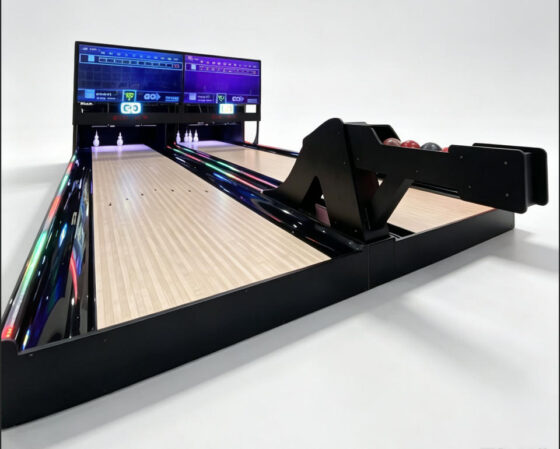
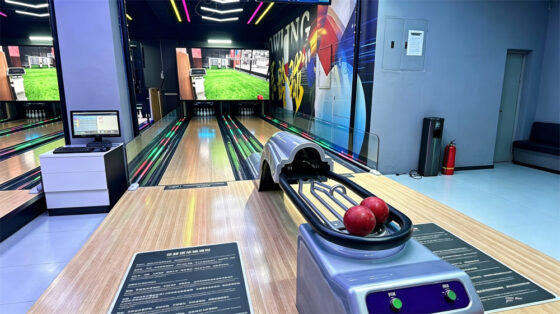
String‑pin technology attaches each pin to overhead strings, simplifying mechanical design drastically. Benefits include fewer moving components, cycles de réinitialisation des broches plus rapides, consommation d'énergie réduite, reduced breakdowns, and basic troubleshooting can be completed by regular venue staff instead of dedicated bowling technicians.
Red Sun String Bowling System: A Practical Choice for New Venues
Red Sun String is a mature commercial string‑pin bowling solution widely deployed across small‑to‑medium bowling alleys, FEC, boutique lounges and hotel‑integrated bowling spaces globally.
The table below compares the core specs and costs of Red Sun String (string-pin) systems against traditional free-fall pinsetters, the two most common options for new builds in 2026:
| Category | String-Pin System | Traditional Free-Fall Pinsetter |
| Upfront Cost Per Lane | $12,000 – $18,000 | $25,000 – $45,000 |
| Maintenance Complexity | Low (60–70% fewer moving parts) | High (thousands of mechanical components) |
| Average Pin Reset Speed | 8–10 seconds (up to 40% faster) | 12–15 seconds |
| Power Consumption Per Lane | ~2.5 KW | ~4–6 KW |
| Recommended Venue Types | Family FECs, boutique lounges, compact add-on spaces, party-focused venues | Sport-focused league centers, professional tournament venues |
| Technician Requirement | Basic training for general venue staff | Certified bowling mechanic required (full-time or on-call) |
Core advantages for new bowling‑alley entrepreneurs:
- Lower maintenance burden: mechanical complexity reduced by approximately 60‑70% compared to old‑style free‑fall machines. Floor staff can handle most routine resets and simple troubleshooting without specialist bowling technicians, cutting labour and spare‑parts inventory costs.
- Higher throughput: up to 40% faster pin reset cycle. More games per hour during busy weekend peaks, directly lifting lane‑based revenue potential.
- Energy‑efficient: roughly 2.5 KW power consumption per lane, helping you trim monthly utility bills.
- Versatile deployment: works for full‑size commercial bowling centres, boutique social lounges and compact 2‑lane add‑on installations inside bars and resorts. Supports integrated modern digital scoring systems, cosmic‑bowling lighting set‑ups, custom branding and venue‑specific aesthetics.
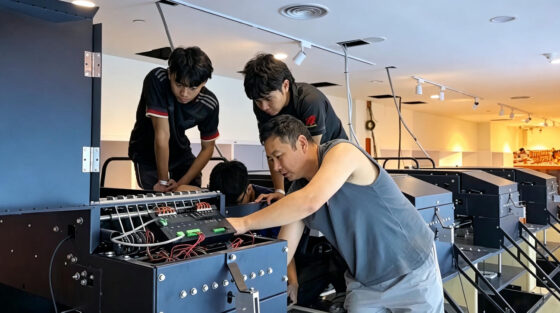
- Global support: includes site layout consultation, on‑site installation guidance, staff training and long‑term technical support for new‑build projects.
When sourcing your full package: confirm lane surface quality, ball‑return reliability, scoring software functionality, shoe and ball inventory, seating, masking units and installation timeline. For a new build, allow 4‑8 weeks for bowling‑equipment delivery, mounting, wiring and full system commissioning after construction finishes.
8. Step 7: Hire, Train and Build Your Operations Team
Staff is usually your single largest ongoing operating expense. A mid‑size bowling centre needs front‑desk attendants, lane host staff, F&B workers, event coordinators, cleaning crew and management.
If you select Red Sun String string‑pin hardware, your team will not require years‑long specialist bowling‑mechanic training. Cross‑train general‑venue employees for basic equipment checks and resets, reducing your reliance on hard‑to‑hire certified bowling technicians.
Mandatory training topics for all team members:
- Guest service standards and handling customer complaints
- Lane‑equipment basic operation and error reset
- Scoring‑system use
- Food‑safety protocols (where applicable)
- Emergency safety procedures, fire and first‑aid response
9. Step 8: Pre‑Launch Marketing & Grand Opening Strategy
Most customers search locally for entertainment experiences. Build visibility before opening day:
- Optimize your Google Business Profile: fill in business hours, venue photos, party‑package information and booking links.
- Build your website: showcase your bowling lanes, party packages, food menus, league sign‑up information. Target local SEO keywords such as “bowling alley near me”, “kids birthday party venue”, “corporate team‑building bowling”.
- Social‑media pre‑launch content: behind‑the‑scenes construction reels, sneak peeks of lanes and bar areas, early‑bird opening specials.
- Local outreach: partner with schools, clubs sportifs, HR departments of nearby businesses to pre‑sell corporate and group bookings before opening.
- Grand‑opening promotions: discounted play rates, birthday‑party launch bundles, league‑registration incentives, media preview events.
FAQ for Aspiring Bowling Alley Entrepreneurs
Q: How much money do I need to open a bowling alley in 2026?
UN: Total investment ranges widely: compact 2‑4‑lane add‑ons start around $120,000; mid‑size 12‑20‑lane family‑centres commonly run $1.6‑5.6 M, and large full‑feature entertainment centres exceed $8 M. Real‑estate and fit‑out are usually your biggest cost items.
Q: Are string‑pin bowling systems good for new business owners?
UN: Oui. String‑pin solutions such as Red Sun String significantly reduce maintenance complexity, spare‑parts costs and technician‑hiring pressure. They perform well for family recreation, parties and corporate events. Competitive sport‑focused league venues should compare string‑pin and traditional free‑fall options according to their audience priorities.
Q: How long until a bowling alley becomes profitable?
UN: Many bowling centres take 2‑3 years to reach consistent profitability. You must hold sufficient working capital reserves to sustain the ramp‑up phase.
Q: Can I install string‑pin bowling inside a bar or hotel?
UN: Absolument. Compact string‑pin systems including Red Sun String are designed for non‑traditional spaces, allowing businesses to add bowling as an extra attraction without building a full‑scale standalone bowling‑alley footprint.
Q: What permits are the slowest to obtain?
UN: Liquor licensing is frequently the longest‑running process. Start your application immediately after securing your location lease, before you complete full venue build‑out.


.jpg)