 Fabricante de equipos para boleras |bolos,Mini bolos,Bolos llave en mano | sol rojo
¿Qué es el colocador de bolos de cuerda?? como funciona? Y sus beneficios clave & Costos
¿Qué es el colocador de bolos de cuerda?? como funciona? Y sus beneficios clave & Costos
Wondering if string pinsetters are worth switching to? Compare colocador de cuerdas vs traditional mechanical bowling pinsetters, learn their core benefits, operating costs, speed advantages, space savings, and competition approval for sports center, play ground, FEC, hotels, and commercial bowling alleys.
Introducción
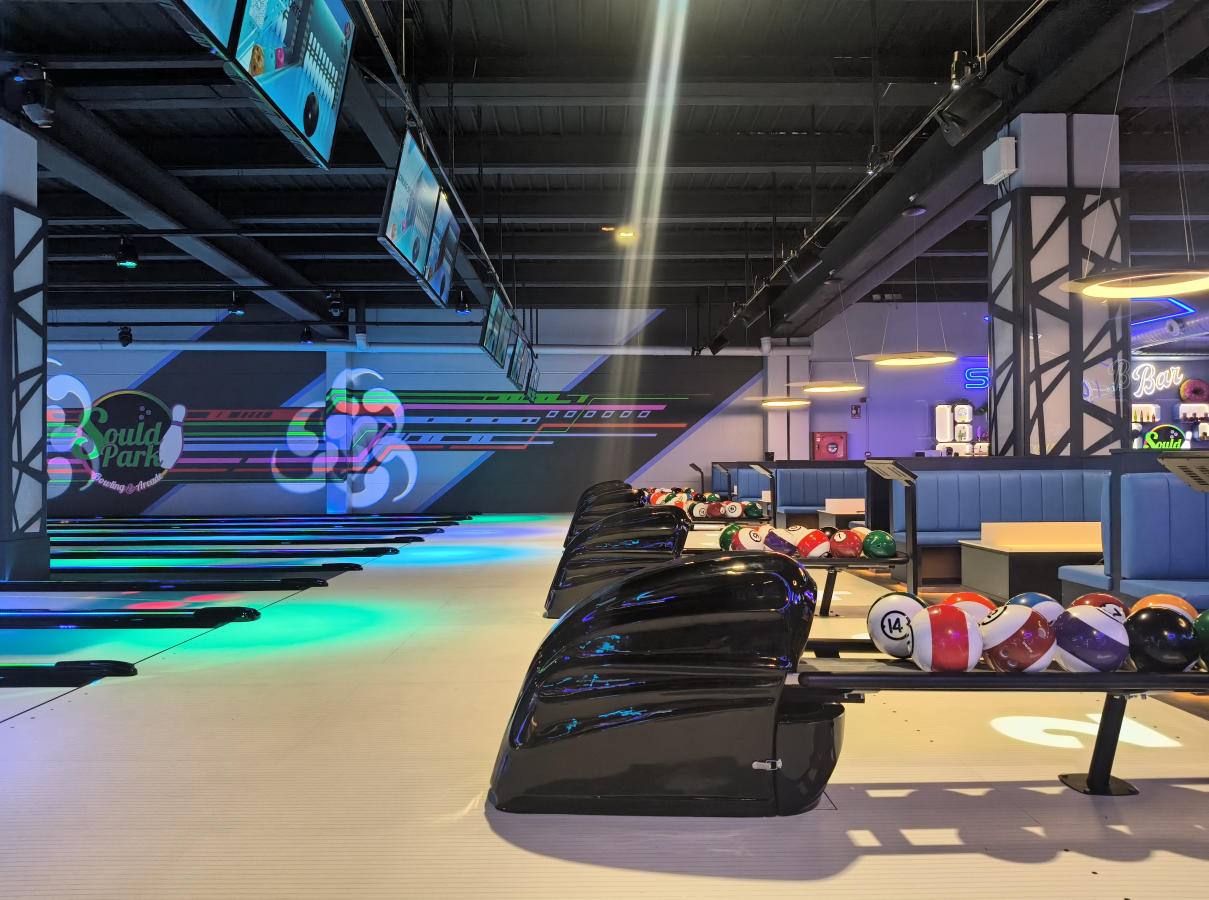
For decades, traditional mechanical pinsetters (free fall system) have been the standard backbone of commercial bowling centers worldwide. However, these conventional machines come with obvious drawbacks: complex mechanical structures, frequent maintenance failures, high energy consumption, and bulky layouts that waste valuable venue space. As the bowling and family entertainment industry evolves, string pinsetters have emerged as a smarter, more cost-effective alternative, rapidly gaining popularity in boutique bowling venues, resort bowling centers, mini bowling facilities, and mainstream FECs (Family Entertainment Centers).
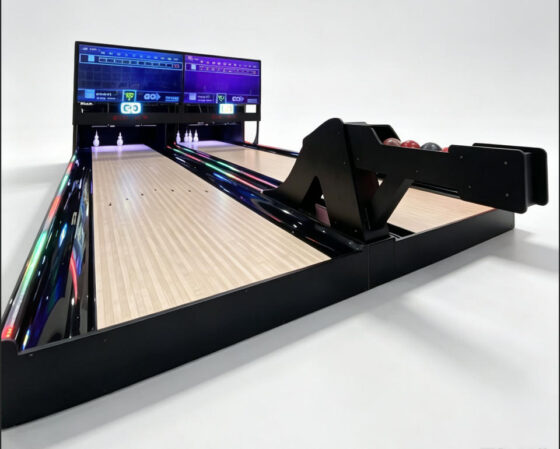
Unlike traditional pinsetters that rely on dozens of gears, conveyors, and mechanical arms, modern string pinsetter systems adopt a simple and innovative design: high-strength strings to fix each bowling pin to complete automatic lifting, resetting, and deck clearing. This streamlined structure greatly reduces operational complexity and long-term costs. como un fabricante profesional de equipos de bolos with rich industry experience, Red Sun has continuously optimized string pinsetter technology to help venue owners lower costs and improve operational efficiency, which is why more and more investors are choosing to work with string-based pin-setting systems.
A Quick History: From Manual Pin Boys to Modern String Pinsetters
Before the birth of automatic pinsetters in the 1950s, all bowling alleys relied on manual labor known as “pin boys”. After every frame, workers needed to clear fallen pins, reset full pin racks, and return bowling balls manually. This model was extremely inefficient, labor-intensive, and unable to support large passenger flow and commercial-scale operations as bowling grew in popularity.
The first generation of automatic mechanical pinsetters completely changed the industry, realizing automatic pin detection, cleaning, and resetting, and pushing bowling to become a global mainstream entertainment project. But, there are some defects of mechanical structures, which have never been solved: numerous wearing parts, frequent failures, regular lubrication and adjustment, and high maintenance labor costs.
To solve these pain points, manufacturers began to develop simplified string pinsetter technology. After decades of iterative upgrades and technical polishing, modern string pinsetters have become mature, stable, and adaptable to various bowling scenarios including standard tenpin bowling, bolos, and mini bolos. With continuous technical optimization by industry manufacturers like Red Sun, the stability and competitive compliance of string pinsetters have reached industry-leading levels.
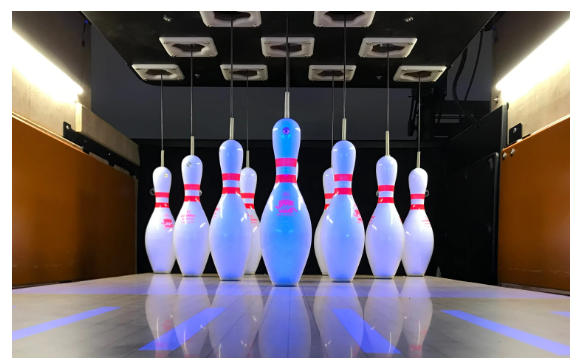
How Does a String Pinsetter Work? Step-by-Step Working Principle
The working logic of a string pinsetter is far simpler and more efficient than traditional mechanical equipment, with no complicated pin sorting or conveying processes. The entire reset cycle is fast and stable:
1. After the bowler throws the ball and knocks down the pins, the system’s intelligent sensors immediately identify fallen and remaining pins;
2. The electric reel and pulley system drives the high-strength strings to lift all pins off the pin deck;
3. Fallen pins are suspended to completely clear the bowling surface without manual cleaning;
4. Standing pins are accurately lowered back to the standard rack position;
5. The lane is reset quickly for the next round of bowling.
This highly streamlined workflow shortens the waiting time between frames, improves lane turnover efficiency, and effectively avoids various failure problems caused by excessive mechanical parts. Mature string pinsetter products on the market can complete full pin resetting in only 3 artículos de segunda clase, bringing a smoother gaming experience for players.
String Pinsetter vs Traditional Mechanical Pinsetter: Full Comparison
The following detailed comparison covers core indicators that bowling venue operators care about most, including mechanical structure, maintenance cost, operating efficiency, space occupation, and energy consumption, clearly showing the comprehensive advantages of string pinsetters:
Comparison Factor | Traditional Mechanical Pinsetter | Colocador de cuerdas |
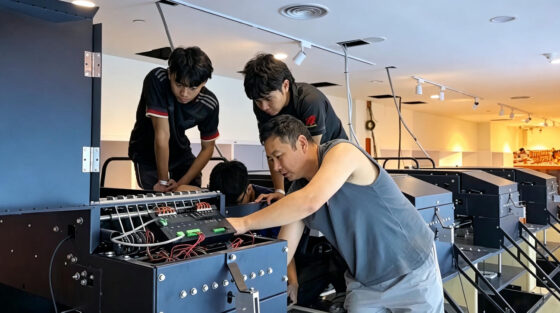
| Mechanical Complexity | Hundreds of moving parts including gears, elevators, conveyors, grippers and multiple drive motors, with many failure points | Ultra-simple structure, mainly composed of high-strength strings, pulley systems, drive motors and intelligent sensing modules, 60% fewer moving parts |
| Maintenance Requirements | Frequent mechanical adjustment, regular lubrication, continuous part replacement, and long-term reliance on professional technicians | Low wear rate, simple daily maintenance, most minor faults can be solved by on-site staff, fewer service visits |
| Annual Operating & Maintenance Cost | High labor and accessory replacement costs, with long-term cumulative expenditure | 40%-60% lower comprehensive cost, only occasional string replacement and basic equipment inspection |
| Pin Reset Speed | Slow multi-step operation including pin sorting, transportation and redistribution, with long interval waiting time | Direct lifting and one-time reset, industry-standard 3-second fast reset, greatly improved lane efficiency |
| Space Occupation | Large rear machine room required, bulky equipment, high construction and layout restrictions | Compact integrated design, small floor space, flexible venue layout, lower construction cost |
| Energy Consumption | Multiple high-power motors work continuously, resulting in high electricity bills | Single low-power drive motor, energy-saving and environmentally friendly, effectively reducing long-term energy costs |
| Stability & Downtime | Prone to wear and failure, frequent lane shutdowns during peak business hours | Ultra-low failure rate, stable continuous operation, greatly reducing venue downtime losses |
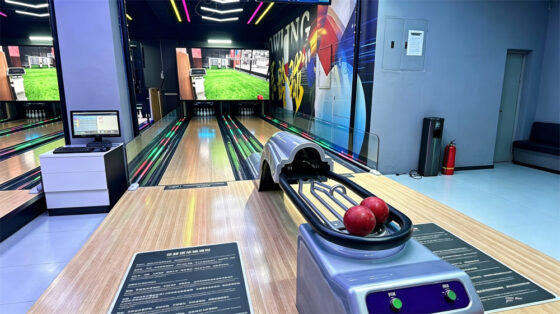
| Applicable Venues | Only suitable for large traditional professional bowling alleys with sufficient rear space | Widely applicable to FECs, hotels, complejos turísticos, boutique bowling, mini bowling and new entertainment venues, playground, entertainment center |
Are String Pinsetters Approved for Official Bowling Competitions?
This is a key concern for many venue operators who host leagues and official tournaments. In the early stage of string pinsetter development, due to immature technology, it was not recognized by competition institutions. But with years of technical iteration and performance optimization, modern string pinsetters have reached professional competition standards.
After a large number of professional tests and data verification, the scoring accuracy and operation stability of qualified string pinsetters are no different from traditional mechanical equipment, and will not cause scoring deviation. Actualmente, more and more formal bowling leagues and regional tournaments allow string pinsetters to be used, and many professional venues have begun to adopt hybrid configuration (traditional equipment + string equipment) to balance competition needs and operating costs. The string pinsetter products optimized by brands like Red Sun have passed multiple industry standard tests, fully meeting the needs of formal competitive events.
Industry Trends: Why String Pinsetters Are Becoming Mainstream in 2026
The rapid popularization of string pinsetters in the global bowling industry is driven by three major market trends:
1. Rising labor and service costs: The salary of professional bowling maintenance technicians and the price of mechanical accessories continue to rise, making the high maintenance cost of traditional pinsetters no longer cost-effective. The low-maintenance feature of string equipment can effectively help operators avoid high labor costs.
2. Upgrading of family entertainment venues: Modern entertainment venues tend to be diversified and integrated, pursuing small space, high efficiency and multi-scene operation. The bulky and inflexible traditional pinsetters can no longer adapt to the new venue model, while string pinsetters with compact and flexible design just meet the market demand.
3. Faster investment return cycle: String pinsetters have lower installation costs, operating costs and maintenance costs, which greatly shortens the ROI cycle of bowling projects and attracts more investors to deploy new boutique bowling and FEC bowling projects.
Final Verdict: Is a String Pinsetter Worth Investing In?
Whether you are building a new bowling venue, renovating old lanes, or operating a resort, FEC or boutique bowling club, string pinsetters have obvious comprehensive advantages over traditional mechanical equipment. It solves the pain points of high cost, high failure rate, large space occupation and low efficiency of traditional equipment, and can create higher economic benefits for venues with lower investment and operating costs.
For large professional bowling centers that undertake high-standard competitions, a hybrid equipment configuration can be adopted: retaining a small number of traditional mechanical lanes for top competitions, and using string pinsetters for daily casual bowling, league events and group reception, which can not only meet competition specifications, but also greatly reduce daily operating costs. As a reliable supplier of string pinsetter equipment, Red Sun provides standardized, high-stability bowling equipment and one-stop project solutions for global venue operators, helping customers create efficient and profitable bowling venues.
Preguntas frecuentes
Q1: How much can a string pinsetter save in annual operating costs?
On average, string pinsetters can reduce the comprehensive maintenance and energy consumption cost of each lane by 40%-60% every year. The longer the service time, the more obvious the cost-saving effect, bringing stable profit growth for the venue.
Q2: Can string pinsetters cope with peak passenger flow such as weekend parties?
Sí. The fast 3-second pin reset cycle greatly reduces customer waiting time, improves lane turnover efficiency, and can fully cope with high passenger flow scenarios such as birthday parties, corporate groups and weekend peak hours, effectively improving venue revenue.
Q3: Is official bowling leagues and tournaments accepting string bowling now?
Modern mature string pinsetters have passed official industry tests and certification, with accurate scoring and stable operation, and are fully applicable to regular league matches and regional official tournaments, and are increasingly recognized by professional bowlers and competition institutions.
Q4: How often do string pinsetters need maintenance and accessory replacement?
The equipment structure is simple and the wear rate is extremely low. Daily maintenance only needs simple inspection and cleaning. The high-strength special strings can be used for months under high-frequency commercial operation, and the replacement cost is low and the operation is simple without professional technicians.
Q5: What types of venues are string pinsetters suitable for?
It is widely applicable to standard tenpin bowling alleys, mini bowling venues, bolos, hotel resort bowling, family entertainment centers, boutique social bowling clubs and corporate entertainment venues, with strong scene adaptability.